
Blog

What should I do if my baby prefers to look to one side?

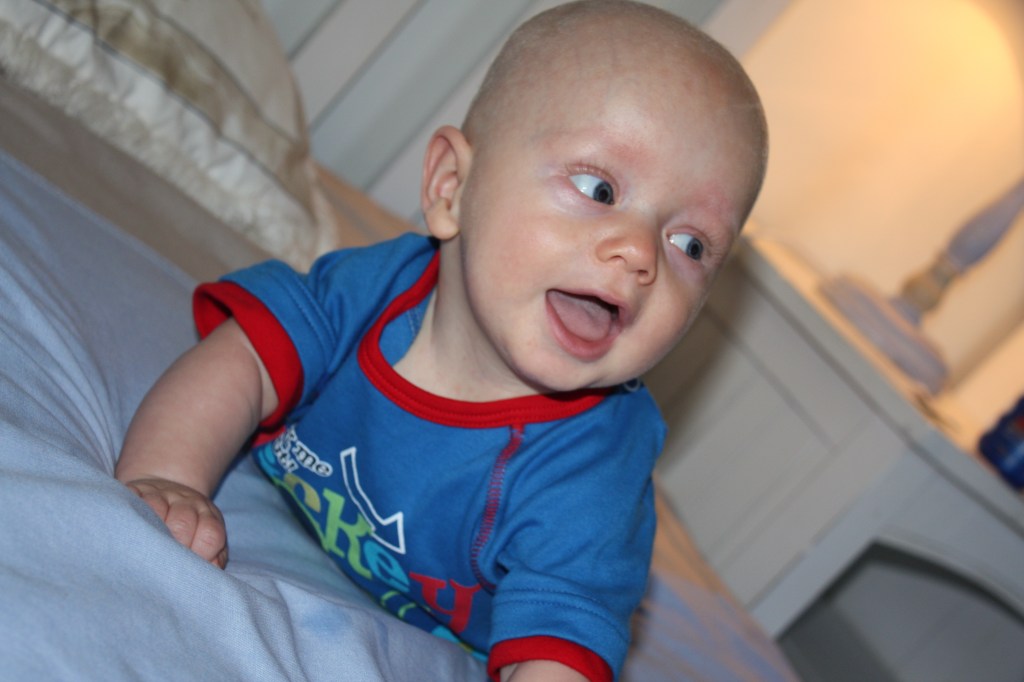
A head turning preference is called torticollis. Torticollis is caused by a tightness of the neck muscles which restricts the baby’s ability to turn their head to one side. It is usually first noticed when a baby prefers to look to one side, but it could also cause the baby’s head to tilt to the other side. You may notice this when baby’s ear seems closer to one shoulder in most positions that you place baby in. 

Torticollis is often (but not always) associated with plagiocephaly. Plagiocephaly is a flat spot on a baby’s head which can also cause asymmetry of the baby’s facial features and ears. It does not, however, have any affect a baby’s brain development.

Sometimes the asymmetry begins because of the position of the baby in utero or baby’s journey through the birth canal.  This would normally be picked up postnatally by a health professional who will either recommend some exercises or refer to a paediatric physio. Other babies could develop asymmetry in their first few months when they spend a lot of time on their backs and have not yet developed head or trunk control.

So what can we do about it? Well the good news is that both plagiocephally and torticollis usually resolve with a basic physiotherapy program which would include stretches and positioning. It is important that the asymmetry is addressed as soon as it is identified, so if you have concerns about a head turning preference in your baby, please do get in touch. Early intervention always has the best results.  
My Baby Hates Tummy Time!

As a paediatric physiotherapist this is something many parents tell me. It is so common in those early months. It seems so simple and yet can feel like an insurmountable task if your gorgeous little one just doesn’t want to do it! And with all the evidence out there which advocates that regular tummy time helps babies to develop motor skills sooner, promotes cognitive and sensory development and facilitates head moulding, parents can be left feeling concerned if their baby struggles to tolerate it.

There are certainly things you can do to help your baby tolerate tummy time for longer periods. And the first is to make sure you are picking the best time to start. Choose a time when baby is in that lovely active alert stage. Avoid it if your little one has just been fed, as they may find it uncomfortable, especially if they haven’t yet burped. Begin with very short times, and celebrate these – even if it feels too short for you. Remember your baby is very sensitive to your mood – and celebrating the small wins will set you both up for success later. Change baby’s position frequently and use different angles and rolled up towels to help – and remember that baby loves to be close to you! Using your own chest or legs for tummy time can often be the best way for your little one to begin getting used to their tummy. And most importantly, make it fun – for you and for baby! Before you get baby onto their tummy be prepared by having a few toys and high contrast items to engage them with. Then get down to baby’s level – your little one loves to see your face and your eyes, and hear your voice singing or speaking joyfully to them – this will create a special bonding moment between the two of you and will be a great distraction for a few moments longer.

If your baby is still struggling with tummy time, please do make an appointment to see a Paediatric / Children’s Physiotherapist early on, as effective tummy time in the early months is essential for building the muscles needed for head control, rolling over, sitting, crawling, and other motor skills. Very occasionally babies could struggle with tummy time due to weakness or other challenges. A professional would be able to identify if there are any other reasons that baby may be struggling with tummy time, and set you and baby on a path to begin addressing any concerns as early as possible.

How to choose a physio for your child

Should you choose a Paediatric Specialist Physio? This is a good question and one many parents ask. 

Physiotherapy is a broad field with many areas of speciality. Children’s physiotherapy or Paediatric Physiotherapy is one of those specialities and it is distinct from other areas of physiotherapy. Here are a few good reasons to pick a Paediatric Physiotherapist for anyone aged 0-19 years of age.

  • Paediatric Physiotherapists are specialised in working with children and have undergone additional training in working with children and young people
  • Children and teens are not mini adults – their skeleton is still growing and the injuries they get are different. Paediatric Physiotherapists have specialist knowledge of how to treat and manage these injuries
  • Paediatric physiotherapists understand child development – they are able to identify delays in development and facilitate ways of helping to improve this
  • Paediatric Physiotherapists have an understanding of conditions and diseases that affect children, and how these conditions can affect a growing child
  • Paediatric Physiotherapists are trained in interventions and strategies to optimize a child’s development and well being
  • Paediatric Physiotherapists are used to working with children and so will adapt their treatment strategies to be child friendly and fun
  • Paediatric physiotherapists are used to working with parents and carers and empower them with skills and knowledge to provide input for their child
  • Paediatric physiotherapists  understand the impact that having a sick or disabled child has on busy family life, and they will adjust their strategies accordingly
  • Paediatric physiotherapists have an understanding of how to keep children safe
  • Paediatric physiotherapists ensure that children and young people are empowered to make choices
  • Paediatric Physiotherapists understand the importance of keeping the child at the centre of planning
  • Additionally, most paediatric physiotherapists are members of the ACPC (Association of Chartered Paediatric Physiotherapists) and will have a DBS

Please do get in touch with myself or another specialist paediatric physiotherapist if you have concerns about your child’s development or injury or pain or symmetry or mobility; or if they have a long term condition that would benefit from additional input

Toe Walking

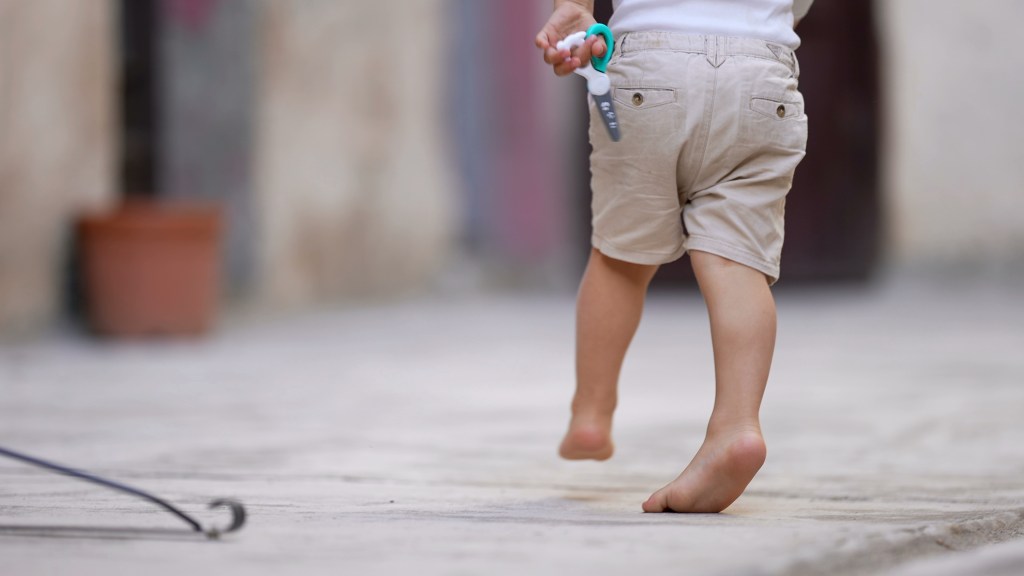
Does your child walk on their toes without their heel first making contact with the ground when they take a step? 

Toe walking is a common developmental issue for young children. It can range from being a completely normal developmental stage to a sign of an underlying problem. There are a number of reasons for toe walking and it is important that a full assessment is carried out to understand why your child may be walking in this way. An underlying medical or neurological cause will need to be ruled out. Other causes could include structural changes in the ankle or foot, tight calf muscles, sensory processing concerns or even the stage of development that your child is in. Idiopathic toe walking is when there is no known cause for a child to be toe walking over the age of 2 -3, and they have simply gotten into habit of it. 

If your child is over the ager of 2 and walking on their toes regularly, please book an appointment for a physiotherapy review with a paediatric physiotherapist